
The start of a new year always brings fresh motivation, but for seniors, it’s also a powerful opportunity to focus on setting wellness goals for seniors: staying active and healthy in the new year. Establishing simple, sustainable routines can dramatically improve strength, mood, independence, and overall quality of life. Seniors face unique health challenges, but with thoughtful planning and daily consistency, they can enjoy healthier, more vibrant aging.
Below, you’ll find a deep-dive, evidence-informed guide that blends practical steps, expert insights, and supportive strategies to build a personalized wellness roadmap for the year ahead.
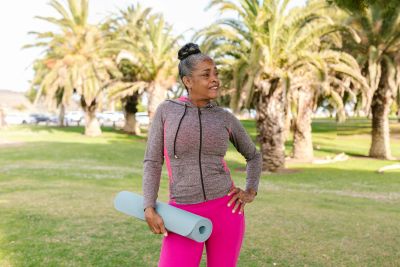
Why Wellness Goals Matter for Seniors in the New Year
Aging naturally brings physical, emotional, and cognitive changes. But setting structured wellness goals helps seniors respond proactively instead of reactively. Having clear goals fosters motivation, confidence, and purpose—three powerful drivers of healthy aging.
The Link Between Healthy Aging and Daily Habits
Daily habits are the backbone of long-term wellness. Tiny decisions—drinking more water, walking 10 minutes, practicing balance exercises—compound over time. They help preserve muscle mass, improve circulation, stabilize mood, and keep cognitive systems sharp.
Understanding Senior-Specific Wellness Needs
Healthy aging isn’t one-size-fits-all. Seniors have unique needs tied to mobility, chronic conditions, medication management, and mental resilience.
Mobility and Safety Concerns
Reduced bone density, slower reflexes, and balance issues increase the risk of falls. Wellness goals should prioritize movements that strengthen stability and flexibility.
Preventive Healthcare
Routine checkups, screenings, and vaccinations keep small issues from becoming major ones. Preventive care is one of the most effective—yet often overlooked—wellness goals for seniors.
Creating Personalized Wellness Goals for Seniors
Setting wellness goals requires tailoring them to each person’s abilities, interests, and limitations. When goals feel personal, seniors are much more likely to stick with them.
Goal-Setting Frameworks (SMART, CLEAR)
Using frameworks makes goals easier to follow.
- SMART: Specific, Measurable, Achievable, Relevant, Time-bound
- CLEAR: Collaborative, Limited, Emotional, Appreciable, Refinable
Combining these approaches helps seniors set meaningful and realistic goals.
Choosing Realistic Activity Levels
Some seniors can manage brisk walking; others may need chair-based exercises. Consistency matters more than intensity.
Tailoring Goals to Chronic Conditions
For seniors with arthritis, heart disease, diabetes, or COPD, goals must be aligned with healthcare guidance. A personalized plan prevents strain and supports long-term health.

Physical Wellness: Staying Active and Strong
Physical activity is the cornerstone of setting wellness goals for seniors: staying active and healthy in the new year. Exercise preserves independence, reduces pain, and improves energy.
Low-Impact Exercises to Consider
- Walking
- Water aerobics
- Tai chi
- Stationary cycling
- Seated yoga
These activities improve cardiovascular health without stressing joints.
Strength, Balance, and Flexibility Training
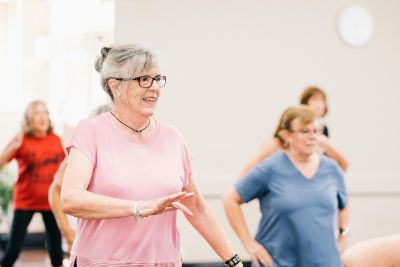
Strength training combats muscle loss, balance exercises reduce fall risk, and flexibility keeps joints moving freely. A combination of all three provides holistic physical wellness support.
Mental and Emotional Wellness for Seniors
Mental health is just as crucial as physical fitness for seniors. Emotional well-being supports memory, sleep, social engagement, and daily motivation.
Boosting Cognitive Health
Brain-stimulating activities include:
- Reading
- Puzzles
- Music lessons
- Learning new skills
- Brain-training apps
Cognitive challenges help build neural connections and improve memory.
Managing Stress and Anxiety
Deep breathing, meditation, journaling, and talking with friends or professionals are essential tools for emotional regulation.
Social Connection as a Wellness Tool
Loneliness increases health risks dramatically. Seniors should set goals to stay socially connected through clubs, faith groups, phone calls, or virtual meetups.
(External resource: National Institute on Aging – Social Isolation and Loneliness.)
Nutrition and Hydration Goals
Good nutrition fuels energy, stabilizes mood, and strengthens the immune system.
Building Simple, Senior-Friendly Meal Plans
A balanced senior-friendly diet includes:
- Lean proteins
- Colorful vegetables
- Fiber-rich grains
- Healthy fats
- Low-sodium options
Preparing meals in advance helps reduce stress and maintain consistency.
Hydration Habits That Support Longevity
Seniors often drink too little water due to decreased thirst cues. Hydration goals should include:
- 6–8 cups of water daily
- Water-rich fruits
- Herbal teas
- Limiting caffeine
Safety, Support, and Monitoring Progress
Tracking progress helps seniors stay motivated and adjust goals when needed.
Technology Tools for Tracking Wellness
Fitness watches, medication reminder apps, and telehealth portals make wellness tracking easier and safer.
Involving Family and Caregivers
A support network boosts success. Families can provide encouragement, resources, or help with transportation to wellness appointments.
FAQs
1. How can seniors stay motivated to meet wellness goals?
By choosing enjoyable activities, tracking progress, and receiving encouragement from family or caregivers.
2. What’s the safest way for seniors to start exercising again?
Begin slowly, use low-impact activities, and consult a healthcare provider before starting a new program.
3. How often should seniors check in on their wellness goals?
Monthly check-ins work well, though weekly tracking helps maintain momentum.
4. Can seniors with chronic illnesses still set physical wellness goals?
Absolutely—goals should simply be modified to align with medical advice and energy levels.
5. What’s one wellness goal all seniors should prioritize?
Staying consistently active—even 10 minutes a day boosts overall health.
6. How important is hydration for seniors?
It’s critical. Hydration supports digestion, circulation, brain function, and energy levels.
Conclusion
Setting wellness goals for seniors: staying active and healthy in the new year is one of the most powerful steps toward better aging. With the right mix of physical activity, mental engagement, good nutrition, meaningful social connections, and supportive tools, seniors can build a healthier, more fulfilling life one day at a time. Every year offers a fresh chance to grow stronger, more resilient, and more connected.