
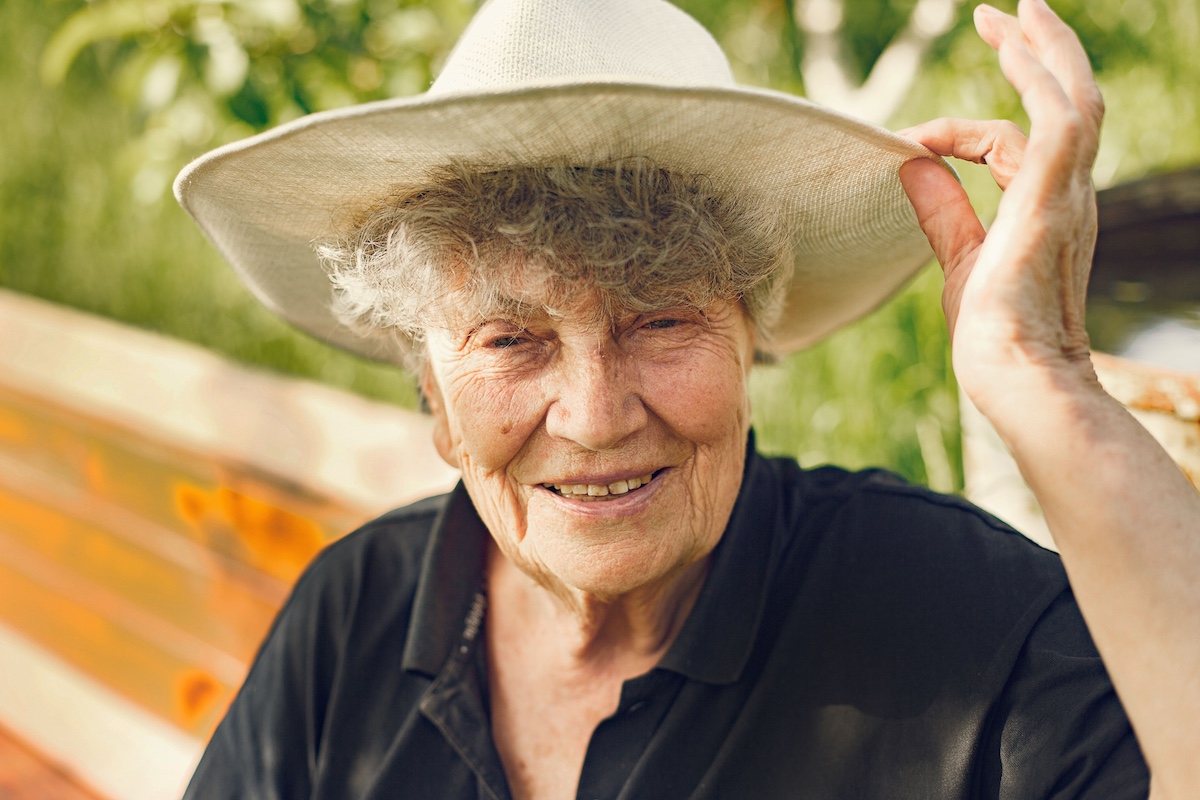
Growing older brings wisdom, experience, and often more free time to enjoy gardening, walking, golfing, fishing, birdwatching, or spending quality time with loved ones outdoors.
Staying active outside offers numerous physical and emotional benefits, from improving cardiovascular health to boosting mood and reducing stress. However, spending time in the sun also comes with increased risks as we age.
Sun safety for seniors is more important than ever because aging skin becomes thinner, less elastic, and more vulnerable to damage from ultraviolet (UV) rays.
While sunshine provides benefits such as vitamin D production and improved mental well-being, too much exposure can lead to sunburn, premature aging, dehydration, heat-related illnesses, eye damage, and an increased risk of skin cancer.
Fortunately, protecting yourself doesn’t mean staying indoors. With a few simple habits, seniors can continue enjoying the outdoors while reducing their risk of sun-related health problems.
Understanding Why Aging Skin Needs Extra Protection
As people age, their skin naturally undergoes several changes. The outer protective layer becomes thinner, collagen production slows, and the skin loses some of its natural elasticity. Blood circulation to the skin may decrease, and the body’s ability to repair damaged cells becomes less efficient.
These natural changes make aging skin more susceptible to injury from UV radiation. Even relatively short periods of sun exposure can result in burns or long-term skin damage that may not have occurred as easily earlier in life.
Many older adults also take medications that increase photosensitivity, meaning the skin reacts more strongly to sunlight. Certain antibiotics, blood pressure medications, anti-inflammatory drugs, and diuretics can all make sunburn develop more quickly.
Chronic health conditions such as diabetes, poor circulation, or autoimmune disorders may further reduce the skin’s ability to heal after damage. Because of these factors, practicing sun safety for seniors should become part of every outdoor routine—not just during summer vacations.
Why UV Rays Can Be Dangerous
Ultraviolet radiation reaches the earth every day—even when it’s cloudy or cool outside. UV rays are divided into two primary types:
- UVA rays penetrate deep into the skin and contribute to premature aging and wrinkles.
- UVB rays primarily affect the skin’s surface and are the leading cause of sunburn.
Both types of UV rays can damage DNA within skin cells, increasing the risk of skin cancer over time.
Long-term sun exposure contributes to:
- Sunburn
- Wrinkles and fine lines
- Age spots and uneven pigmentation
- Reduced skin elasticity
- Eye damage, including cataracts
- Skin cancer
- Weakened immune response within the skin
The effects are cumulative, meaning every hour spent outdoors without protection adds to a lifetime of sun exposure. Fortunately, prevention is simple and highly effective.

10 Powerful Ways to Practice Sun Safety
1. Wear Broad-Spectrum Sunscreen
One of the easiest ways to protect your skin is by applying a broad-spectrum sunscreen with SPF 30 or higher. Broad-spectrum formulas shield against both UVA and UVB rays.
Apply sunscreen 15 to 30 minutes before going outside so it has time to absorb properly. Reapply every two hours, or sooner if you’re swimming, sweating heavily, or toweling off.
Don’t forget commonly missed areas, including:
- Ears
- Neck
- Hands
- Feet
- Back of the legs
- Scalp (if hair is thinning)
- Lips (use a lip balm with SPF)
Even everyday activities like walking to the mailbox or sitting on the porch can expose your skin to harmful UV rays.
2. Dress for Protection
Clothing serves as one of the most effective barriers against sun exposure.
Choose lightweight, breathable fabrics that cover more skin without causing overheating. Consider wearing:
- Long-sleeved lightweight shirts
- Long pants
- Wide-brimmed hats that shade the face, ears, and neck
- UV-blocking sunglasses
- Clothing with UPF (Ultraviolet Protection Factor) ratings
Light-colored fabrics can also help reflect sunlight and keep the body cooler during hot weather.
3. Avoid Peak Sun Hours
The sun’s rays are strongest between 10 a.m. and 4 p.m.
Whenever possible:
- Walk early in the morning.
- Garden later in the afternoon.
- Schedule golf or outdoor exercise before midday.
- Plan errands during cooler parts of the day.
Adjusting your schedule can dramatically reduce UV exposure while also lowering the risk of overheating and dehydration.
4. Seek Shade Frequently
Shade provides immediate relief from direct sunlight and helps lower overall UV exposure.
Take breaks beneath:
- Trees
- Covered patios
- Umbrellas
- Gazebos
- Picnic shelters
Keep in mind that sunlight can reflect off water, concrete, sand, and even grass, so sunscreen remains important even when you’re in the shade. Sunlight from water, sand, or concrete can still reach the skin, so sunscreen remains important.
5. Stay Hydrated
Proper hydration is just as important as protecting your skin.
As we age, our sense of thirst naturally decreases, making dehydration more likely. Certain medications can also increase fluid loss.
Drink water before, during, and after outdoor activities—even if you don’t feel thirsty.
Consider:
- Carrying a reusable water bottle
- Taking regular water breaks
- Limiting alcohol and excessive caffeine when spending time outside
- Eating water-rich foods like watermelon, cucumbers, and oranges
Good hydration helps regulate body temperature and reduces the risk of heat exhaustion.
6. Protect Your Eyes
The sun doesn’t only affect your skin—it can also damage your eyes.
Years of UV exposure increase the risk of cataracts, macular degeneration, and other vision problems.
Choose sunglasses that block 99% to 100% of both UVA and UVB rays. Wraparound styles provide even greater protection by limiting sunlight entering from the sides.
Pair sunglasses with a wide-brimmed hat for maximum protection.
7. Check Medications
Some common medications increase sensitivity to sunlight, including certain antibiotics, blood pressure medicines, anti-inflammatory drugs, and diuretics.
Review medication labels or speak with your healthcare provider to understand whether additional precautions are needed.
8. Perform Monthly Skin Checks
Look for:
- New moles
- Changing spots
- Sores that won’t heal
- Bleeding or crusting lesions
- Dark or irregular patches
Early detection greatly improves treatment outcomes for many skin conditions.
9. Schedule Regular Skin Exams
Annual skin examinations by a healthcare professional can identify suspicious changes before they become serious.
People with fair skin, a history of severe sunburns, or previous skin cancer may need more frequent evaluations.
10. Make Sun Safety a Daily Habit
UV exposure occurs year-round—not only during summer vacations.
Apply sunscreen before walking the dog, shopping, gardening, or sitting on the porch. Consistency offers the greatest protection.
Choosing the Right Sunscreen
Not every sunscreen performs the same.
Look for products that include:
| Feature | Recommendation |
| SPF | 30 or higher |
| Protection | Broad-spectrum UVA/UVB |
| Water Resistance | 40–80 minutes if swimming or sweating |
| Skin Type | Fragrance-free for sensitive skin |
Remember that sunscreen expires. Check expiration dates before each season.
Heat Safety Matters Too
Summer sunshine often brings high temperatures.
Warning signs of heat exhaustion include:
- Heavy sweating
- Dizziness
- Weakness
- Headache
- Nausea
- Muscle cramps
Move to a cool area, drink water, and rest immediately if these symptoms appear.
Seek emergency medical care if confusion, fainting, or a high body temperature develops, as these may indicate heat stroke.
Conclusion
Enjoying the outdoors remains one of the healthiest ways for older adults to stay active, socialize, and improve overall well-being. By making sun safety for seniors part of every outing, it’s possible to reduce the risk of skin damage while continuing to enjoy favorite activities.
Simple habits such as wearing sunscreen, dressing appropriately, seeking shade, staying hydrated, and monitoring skin changes provide long-term protection. Small daily choices today can help preserve healthy skin and support an active lifestyle for years to come.
Here’s a CTA for the page, matching the tone of Crown Hospice’s site:
If a loved one could use extra support this summer, Crown Hospice is here to help. Contact us today to learn more about our care and services.
Frequently Asked Questions
Why is sun safety more important for seniors?
Older skin becomes thinner and repairs itself more slowly, increasing the risk of sunburn, skin damage, and skin cancer.
Is SPF 15 enough?
Most experts recommend SPF 30 or higher for everyday outdoor activities.
Should seniors wear sunscreen on cloudy days
Yes. Up to 80% of UV rays can penetrate clouds.
How often should sunscreen be reapplied?
Every two hours, or immediately after swimming or excessive sweating.
Can clothing replace sunscreen?
Protective clothing helps significantly, but exposed skin should still receive sunscreen.
What is the best time to be outdoors?
Early morning or late afternoon, when UV radiation is generally less intense.