
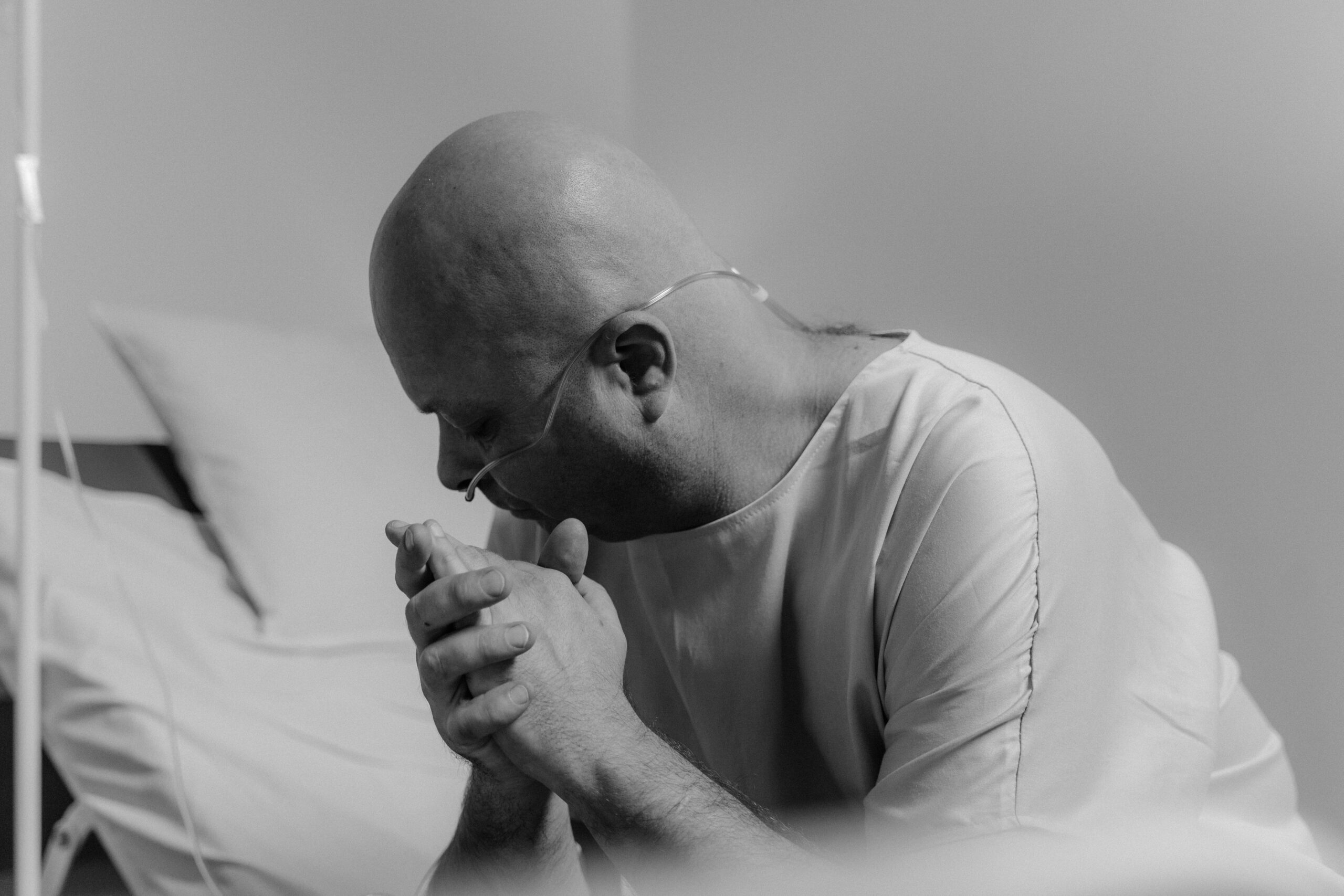
When a person is facing a serious or life-limiting illness, medical care is only one part of the journey. Pain, symptoms, medications, and physical needs are important, but patients and families may also have questions about meaning, purpose, relationships, hope, and what lies ahead.
This is where spiritual support can become an important part of hospice and palliative care planning. Spiritual care is not limited to religion or a particular set of beliefs. Instead, it focuses on the values, beliefs, relationships, and sources of meaning that help a person find peace and comfort during a difficult time.
Including spiritual needs in a care plan allows hospice and palliative care teams to provide more complete, person-centered support while honoring what matters most to each patient.
What Is Spiritual Support?
Spiritual support involves helping patients explore and maintain the beliefs, values, relationships, and practices that provide meaning or comfort. For some people, spirituality is closely connected to faith or religion. For others, it may involve nature, family, music, personal reflection, or a sense of purpose.
Spiritual support may include:
- Prayer or meditation
- Reading religious or inspirational materials
- Talking about personal beliefs
- Connecting with a faith community
- Discussing fears or hopes
- Exploring questions about meaning and purpose
- Finding opportunities for forgiveness or reconciliation
- Supporting important cultural or spiritual traditions
The goal is not to persuade a patient to adopt a particular belief. Instead, spiritual care should reflect the patient’s individual preferences and provide a safe space for meaningful conversations.
Why Spiritual Needs Matter in Serious Illness
A serious diagnosis can cause people to reconsider many aspects of their lives. Patients may begin asking questions they have never considered before.
They may wonder:
- Why is this happening?
- What gives my life meaning?
- Have I accomplished what I hoped to?
- What will happen to my family?
- How can I make peace with the past?
- What do I believe about death?
These questions can bring comfort, but they can also create fear, uncertainty, or distress.
Addressing spiritual concerns can help patients process these emotions while maintaining a sense of identity and dignity. When spiritual needs are acknowledged alongside physical symptoms, care becomes more holistic.

Spiritual Support Is Individualized
There is no single approach to spiritual care. What brings comfort to one patient may not be meaningful to another.
Some individuals may want frequent prayer or visits from a clergy member. Others may prefer quiet reflection or conversations about family and life experiences.
Some patients may not consider themselves religious at all but still have important spiritual needs.
For this reason, hospice and palliative care teams should ask patients what matters to them rather than making assumptions based on age, background, or diagnosis.
Including Spiritual Preferences in the Care Plan
Spiritual preferences can be incorporated into a patient’s overall hospice or palliative care plan. During care planning conversations, patients and families can discuss what provides comfort and what they want their care team to know.
Important considerations may include:
- Religious or spiritual preferences
- Preferred clergy or spiritual leaders
- Important rituals or traditions
- Favorite readings, prayers, or music
- Cultural practices
- Important family relationships
- Personal values and beliefs about end-of-life care
Documenting these preferences helps ensure that different members of the care team understand and respect the patient’s wishes.
The Role of Hospice Chaplains
Many hospice organizations include chaplains or spiritual care professionals as part of the interdisciplinary team. Hospice chaplains are trained to support people from a variety of spiritual and religious backgrounds.
A chaplain may:
- Listen to concerns without judgment
- Facilitate prayer or meditation
- Help patients explore spiritual questions
- Contact a patient’s preferred faith leader
- Support family members
- Help with grief and anticipatory grief
- Assist with rituals or meaningful traditions
Patients generally have the opportunity to decide whether they want this type of support. Spiritual care should always be offered respectfully and without pressure.
Supporting Forgiveness and Reconciliation
End-of-life conversations sometimes bring unresolved relationships or regrets to the surface. A patient may want to apologize, forgive someone, reconnect with a family member, or express gratitude.
Spiritual support can provide a safe environment for these conversations.
Family members may also have unresolved feelings. Facilitating honest, respectful communication can sometimes bring a sense of peace to everyone involved.
There is no requirement to resolve every past conflict, however. Spiritual support should follow the patient’s wishes and emotional readiness.
Supporting Family Members
Spiritual care can benefit the entire family, not just the patient. Loved ones may experience anticipatory grief, fear, guilt, anger, or uncertainty while watching someone they love become increasingly ill.
A chaplain or other spiritual care professional can provide a listening ear and help family members process difficult emotions.
Families may also find comfort through shared traditions, prayer, storytelling, or simply spending quiet time together.
Providing opportunities for connection can make the hospice experience feel less isolating.
Spiritual Support and Advance Care Planning
Spiritual beliefs and personal values can influence decisions about medical treatment and end-of-life care. Discussing these values early can help patients communicate what they want if they later become unable to speak for themselves.
Advance care planning may include conversations about:
- Preferred treatments
- Quality-of-life priorities
- Where the patient wants to receive care
- Who should make healthcare decisions
- Personal beliefs about life-sustaining treatment
Spiritual support can help patients reflect on these decisions and identify what aligns with their values.
Creating a Peaceful Care Environment
Spiritual support does not always require formal counseling or structured conversations. Sometimes small environmental details can provide comfort.
Depending on the patient’s preferences, families might create a peaceful space by incorporating:
- Favorite music
- Family photographs
- Religious or meaningful objects
- Comfortable lighting
- Favorite scents, when appropriate
- Books or inspirational materials
These personal touches can make a care setting feel more familiar and reflective of the patient’s identity.
Spiritual Care During the Final Days
As a patient approaches the end of life, spiritual needs may change. Some individuals may want more quiet time, while others may want family members nearby.
Patients may express fears, ask questions about death, or seek reassurance. Others may become less communicative.
Caregivers should avoid forcing conversations or activities. Instead, they can remain present, listen when the patient wants to talk, and follow the guidance of the hospice team.
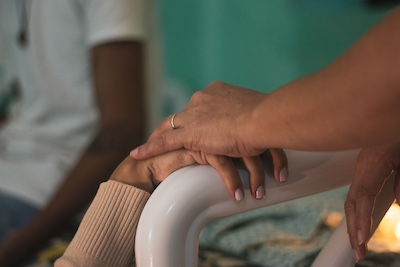
Simple gestures—holding a hand, playing a favorite song, reading a meaningful passage, or sitting quietly together—can provide comfort.
How Families Can Begin the Conversation
Families do not need to know exactly what to say when discussing spiritual needs. A few open-ended questions can begin the conversation.
Consider asking:
- What brings you comfort right now?
- Are there spiritual or religious practices that are important to you?
- Would you like to speak with a chaplain or faith leader?
- Is there music, prayer, or reading you would like nearby?
- Are there traditions you want us to honor?
- Is there anything you are worried about or would like to talk through?
The most important part is listening without judgment.
Working With the Hospice and Palliative Care Team
Spiritual care works best when it is integrated into the larger care plan. Nurses, physicians, social workers, chaplains, aides, and other professionals can communicate with one another to ensure the patient’s needs are understood.
Families should feel comfortable sharing spiritual preferences with the care team. If a patient has a preferred clergy member or specific tradition they want honored, the team can often help coordinate that support.
Final Thoughts
Spiritual support is an important part of comprehensive hospice and palliative care planning. By recognizing a patient’s beliefs, values, relationships, and sources of meaning, care teams can provide support that addresses more than physical symptoms.
Whether a person’s spirituality is rooted in faith, family, nature, personal reflection, or meaningful life experiences, those sources of comfort deserve to be respected. Including spiritual preferences in care planning can help patients maintain dignity, find peace, and feel understood throughout their illness.
For families, spiritual support can also provide a safe place to process difficult emotions, strengthen meaningful connections, and navigate the challenges that come with end-of-life care.
Ultimately, compassionate hospice and palliative care honors the whole person—body, mind, emotions, relationships, and spirit.